
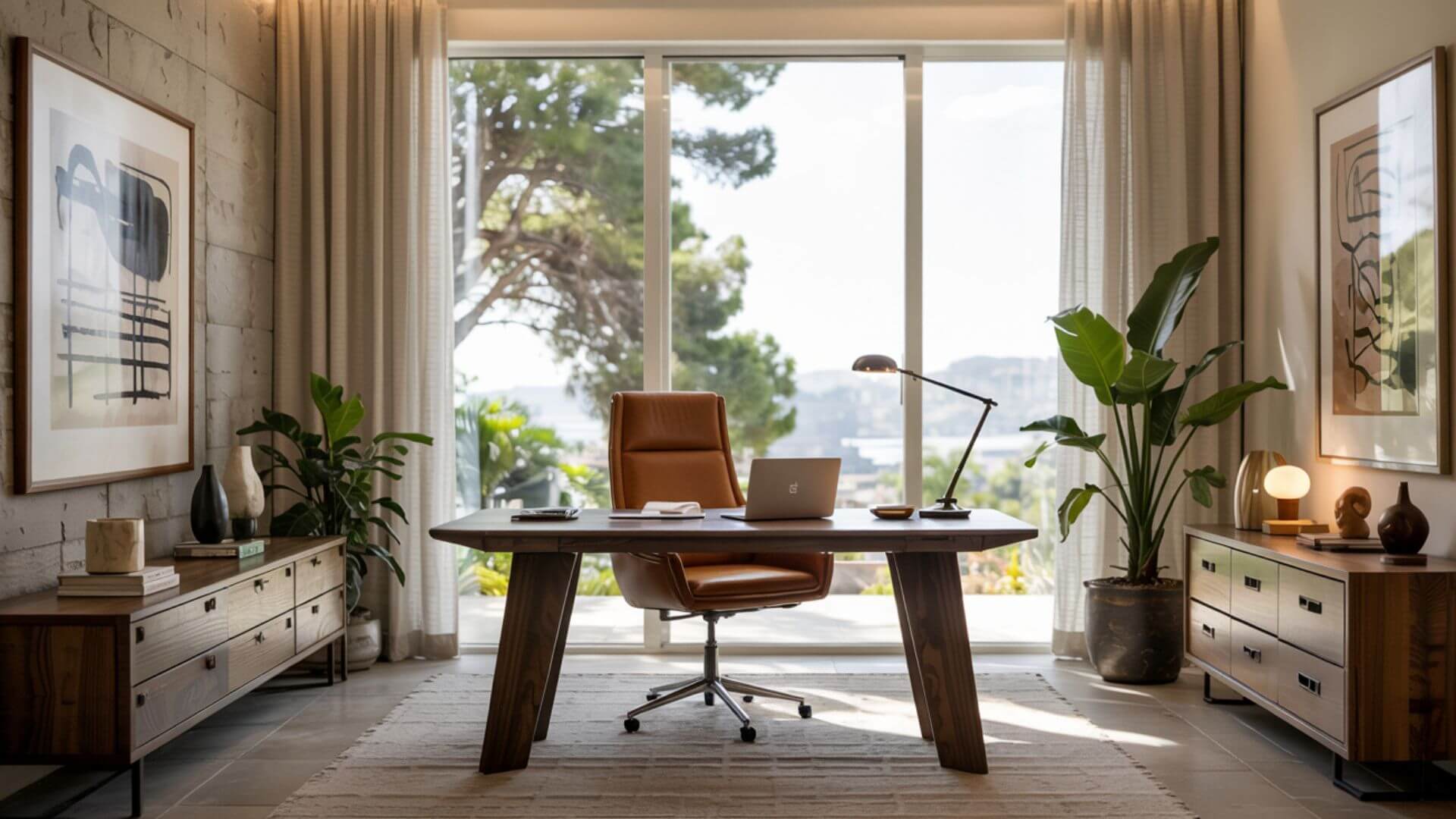
Home Office
Home office changed the way I live and work, but has your home office started to drain you the minute you sit down? Could your home office become the calm, focused space that gives you your time back instead of stealing it?
Yes, it can. With a thoughtful layout, a few intentional choices, and better daily boundaries, one small corner can protect both your focus and your peace. You do not need a bigger room. You need a space that works with your life.
I learned this the hard way while building my own work from home office around real life, not perfect photos. What finally worked was simple: comfort you can feel, function you can trust, and a home office aesthetic that helps your mind settle instead of scatter. When those pieces click, work feels lighter and home feels like home again.
If you have been craving a cozy home office that supports your goals and your life, keep reading because the next parts will show you exactly how to build it step by step.
- Home Office Foundations That Support Real Life
- FREE eBook
- 1. How To Choose the Right Spot for Calm and Focus?
- 2. Build a Practical Setup That Protects Your Energy
- 3. Create Visual Calm Without Losing Personality
- 4. Design Daily Flow So Work Ends On Time
- 5. Add Comfort Upgrades That Cost Little But Change Everything
- 6. Organize for Speed, So Your Space Stays Clear
- 7. Use Lighting Layers to Protect Focus And Mood
- 8. Shape a Style Direction You Can Actually Maintain
- 9. Keep Your Space Flexible for Real Life Changes
- 10. Refresh Your Space Seasonally Without Overspending
- 11. Run a Simple Setup Audit That Reveals What Actually Matters
- 12. Create a Personal Operating Rhythm You Can Trust
- Home Office Habits That Hold Everything Together
- Final Word On Home Office
Home Office Foundations That Support Real Life
When I first tried to build a workspace for remote work, I made the same mistake most people make. I copied what looked good instead of what felt good to live with every day. Photos can be beautiful, but they do not show neck tension at 3 p.m. or the mental fog that appears after hours in the wrong chair. I realized I needed a room that supported real days, not staged moments.
I started with light, airflow, and desk position because focus is physical before it is motivational. Then I layered function with feeling, adding storage where my hand naturally reaches, keeping surfaces clear, and choosing textures that calm my nervous system.
My wife and I both needed comfort and predictability, so every object had to earn its place. We did not chase perfection; we built stability. One intentional home office can lower daily friction so much that your energy finally stays with your work instead of constant adjustments.
Over time, that decision reshaped more than our tasks. It made work from home feel less like survival and more like a choice. It gave us freedom to plan trips, keep routines while away, and protect income without panic. It also brought me back to what I learned from my mum in Poland, that a room becomes healing when it carries care instead of clutter.
This is why I care so deeply about details that many people call small. A lamp angle, plant placement, and cable path can shift your mood faster than any other productivity app. The goal is not to impress anyone online. The goal is to build a space that helps you finish the day with clarity left for your life. If you shape it honestly, your work from home office starts working for you even on hard days.
- choosing the right spot for calm and focus
- building a practical home office setup that lasts
- shaping home office design around your real routine
- creating a cozy home office without overspending
- using home office decor to reduce visual stress
- defining a home office aesthetic that feels like you
- finding home office inspiration you can actually apply
- planning light and layout for better concentration
- organizing storage so work from home stays sustainable
- zoning your desk for deep work and quick resets
- keeping your system fresh with a weekly rhythm
- evolving your setup as your life and goals change
Grab a FREE eBook!
1. How To Choose the Right Spot for Calm and Focus?
Before buying anything, I always tell readers to stand in each room at the same time they usually work. The right spot is often the one that feels quiet in your body, not just quiet on paper. Listen for interruptions you cannot control, hallway traffic, street noise, and the pull of screens nearby. If one corner gives you steady light and fewer distractions, that corner will beat a larger space every time.
In my case, choosing the right place for our home office was less about style and more about protecting energy from morning to evening. I positioned the desk where natural light reached the side of the screen, kept the wall ahead clean, and left enough walking space so the room never felt cramped.
That one decision improved focus, lowered decision fatigue, and made finishing tasks feel natural instead of forced. When your location supports your rhythm, motivation becomes more dependable and your day feels easier to carry.
2. Build a Practical Setup That Protects Your Energy
After you pick the right corner, the next move is building a setup that supports your body before your to-do list. I always begin with chair height and desk height, because discomfort quietly steals focus faster than any notification. When your elbows rest naturally, and your feet feel grounded, your mind stays clearer for longer blocks of work. Keep your screen at eye level so your neck is not doing overtime by lunchtime. When I built our home office, I kept the most-used tools within one arm’s reach and moved everything else out of the immediate zone.
That tiny change reduced constant micro-distractions and made deep work feel more natural each morning. I also use layered lighting, daylight for alertness, and warm light later to soften the transition into evening. Cable control matters more than people think, because visual clutter creates mental clutter even when you try to ignore it.
To finish the system, I use a two-minute reset at the end of the day so tomorrow starts calm instead of chaotic. A practical setup should feel almost invisible, quietly helping you do better work while protecting your energy.
3. Create Visual Calm Without Losing Personality
Once your setup works physically, the next layer is visual calm. This is where many people accidentally over-decorate and then wonder why they feel scattered after an hour. I keep one clear rule: every visible item should either support focus or support emotion, ideally both. When I shaped our home office, I used a simple base palette, then added character through textures, one or two meaningful objects, and plants that soften hard edges. That kept the room personal without turning it into visual noise.
Your eyes are always processing the room, even when you think you are focused on work.
Too many competing colors, open piles, and random accessories quietly drain attention all day. I prefer closed storage for anything not used daily and one intentional focal point that gives the space identity. This could be art, a shelf vignette, or a cozy lamp corner that signals calm when pressure rises. Good home office decor is not about filling space; it is about removing friction between your mind and your tasks.
In the next part, I will show you how to design a daily flow so your workspace supports focus during work hours and recovery after work ends.
4. Design Daily Flow So Work Ends On Time
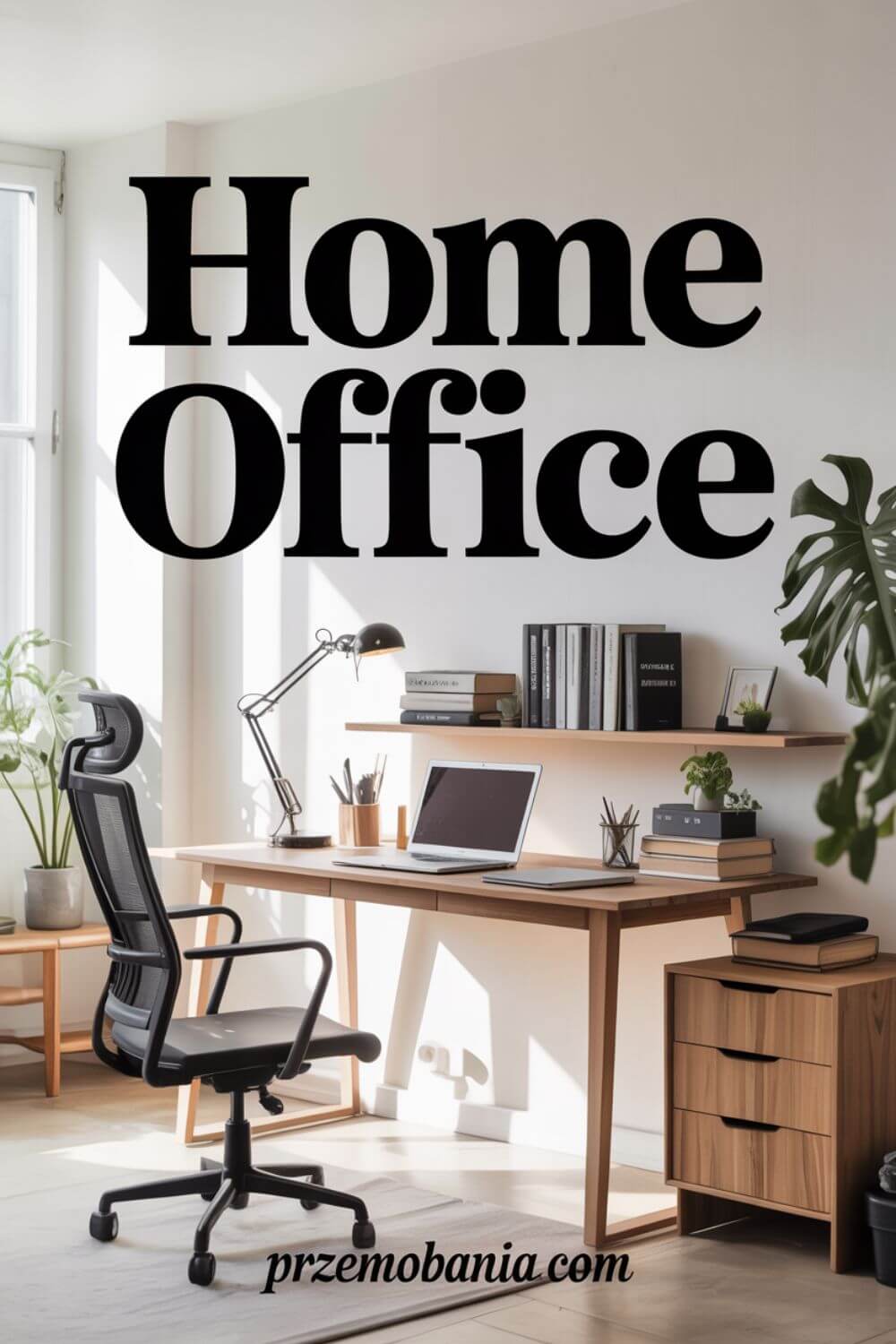
A beautiful room can still fail if your day has no clear rhythm. I learned that the hard way when work kept leaking into evenings and every day felt unfinished. The fix was not longer hours, it was a better flow. In our home office, I created simple zones and time anchors so each part of the day had a place and a purpose. Deep work starts with a clear desk, admin happens in short blocks, and planning is done before energy drops.
This structure reduced decision fatigue more than any app I tried. I also keep transition rituals that tell my brain when work begins and when it ends. Morning starts with light, water, and one priority list, while evenings end with a two-minute reset and screen shutdown. When tasks have containers, they stop expanding into your whole life.
A strong work from home routine is not rigid; it is protective, and it helps you keep energy for the people and moments that matter after the laptop closes.
5. Add Comfort Upgrades That Cost Little But Change Everything
Most people assume comfort requires a big budget, but the biggest wins are usually small and practical. A stable footrest, a softer lamp for late hours, and a supportive cushion can reduce that heavy end-of-day fatigue more than expensive gadgets. I also love adding one tactile element, like a warm throw or textured mat, because your body relaxes faster when the room feels gentle.
In our home office, these tiny changes helped us stay focused longer without feeling tense or irritable. They also made difficult days feel less punishing, which matters when life already asks a lot from you.
I keep a simple comfort rule now: if something reduces strain in under five seconds, it is worth keeping. A glass carafe on the desk, a hook for headphones, and a small drawer for daily essentials remove dozens of tiny interruptions. Comfort is not a luxury layer; it is productivity you can feel in your shoulders, eyes, and breathing. When your space supports your body, you protect your energy for work and still have enough left for your life after work.
6. Organize for Speed, So Your Space Stays Clear
Organization is where good intentions either survive or die. If your tools are hard to reach, you will postpone tasks and call it low motivation. I group everything by action, writing, calls, planning, and quick admin, then keep each group in its own micro zone. That way, starting work feels instant instead of messy.
In our home office, I keep daily essentials visible, weekly items in one drawer, and rarely used tools out of sight. This simple structure cuts friction, shortens setup time, and makes deep focus easier to enter. I also do a ten-minute weekly reset, so clutter never grows into stress. When your system is easy to maintain, you stop wasting willpower on tidying and spend it on meaningful work.
In the next part, I will share how to shape lighting and atmosphere so your focus stays steady from morning to evening.
7. Use Lighting Layers to Protect Focus And Mood
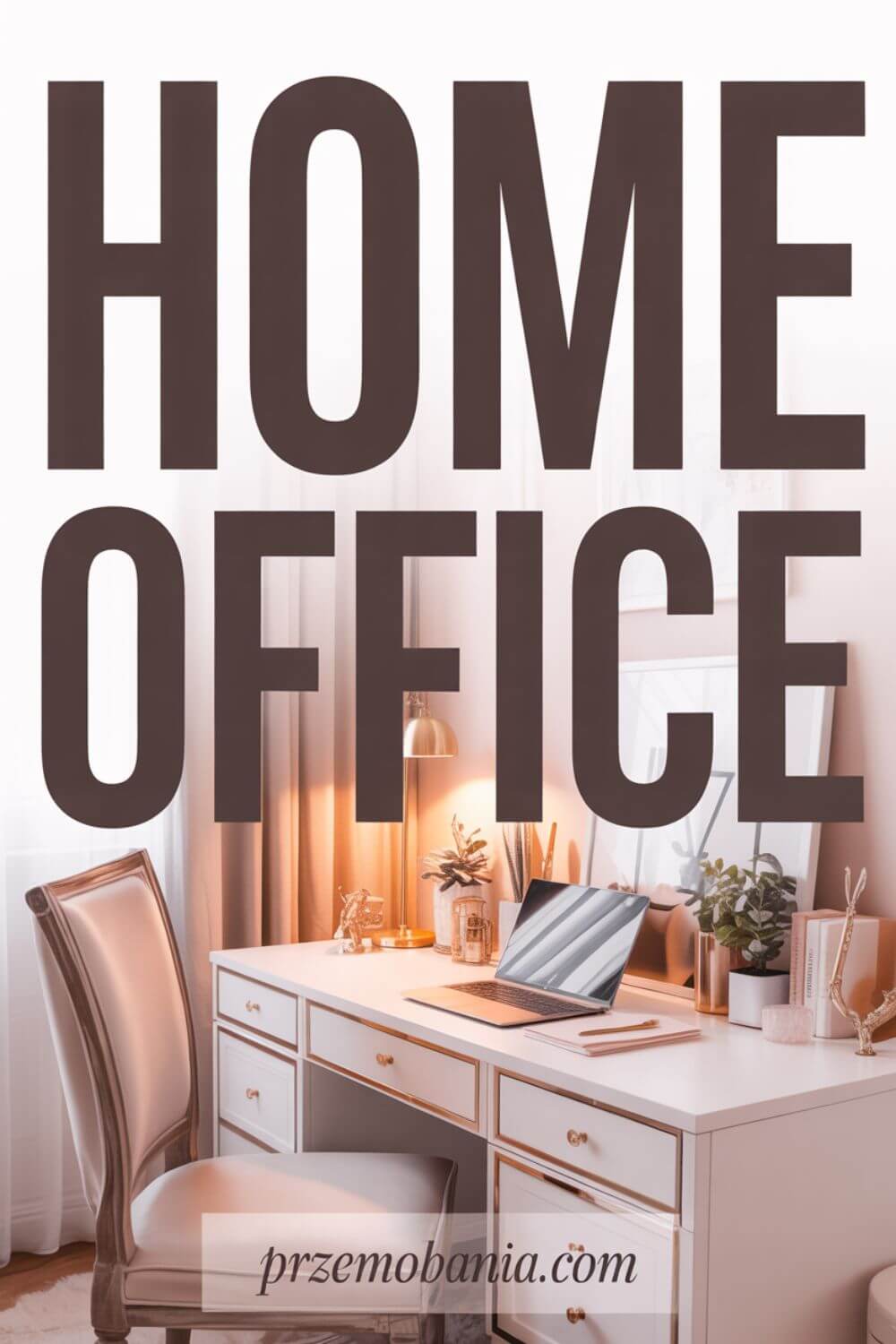
Lighting decides whether your mind stays sharp or starts fading by midafternoon. I treat light as part of the workflow, not decoration, because focus is easier when brightness matches the task in front of you. Daylight works best when it comes from the side, so glare stays low, and your eyes do not fight the screen. Then a focused task lamp handles detailed work without forcing the whole room to feel harsh.
In our home office, I use three simple layers: ambient light for the room, a task light for precision, and a softer evening glow for wind down. This keeps energy steady during work hours and helps my brain release pressure when the day is done. I also keep one rule that changed everything: brighter light for creating, warmer light for closing.
When light follows your daily rhythm, you think more clearly, feel calmer, and finish with more energy left for life after work.
8. Shape a Style Direction You Can Actually Maintain
Style gets overwhelming when every trend looks tempting, so I start by choosing a feeling instead of a shopping list. In my home office, I define three mood words that guide every decision: usually calm, warm, and clear. Then I pick one base tone for bigger pieces and one accent tone for smaller details, so nothing fights for attention. This keeps the room cohesive even when I buy items slowly over time. If an item looks beautiful but adds noise to the day, I leave it out.
I build the look in layers, first lighting, then practical storage, then soft textures, and finally meaningful decor. That order protects the budget and prevents random purchases that do not support your routine. I save inspiration, but I only borrow principles like contrast, scale, and balance, not full room copies. When your style has clear boundaries, your space feels personal, focused, and easy to evolve as life changes.
9. Keep Your Space Flexible for Real Life Changes
A setup only proves itself when life gets unpredictable. Workload shifts, routines change, and some weeks feel nothing like the plan you made on Sunday. That is why I built flexibility into our home office from the start, so the room can adapt without collapsing into chaos.
I keep core tools fixed: desk, chair, lighting, and power, then make secondary pieces movable so the space can switch modes quickly. One rolling cart, one spare surface, and one portable task light can save a difficult week.
I also use a simple two-layer workflow, with essential tasks for tough days and stretch tasks for stronger days. This keeps momentum alive without guilt when energy is limited.
If travel comes up, I mirror the same structure in a compact kit so my routine stays familiar anywhere. Flexibility is not about lowering standards; it is about protecting consistency when life refuses to be consistent. When your space can bend without breaking, your work stays steady, and your mind stays calmer.
In the next part, I will walk you through how to refresh your setup seasonally so it keeps feeling energizing without constant spending.

10. Refresh Your Space Seasonally Without Overspending
Seasonal refresh keeps your workspace alive without forcing a full redesign every few months. I use a simple rhythm: clear, adjust, and then add only one meaningful layer.
First, I remove visual leftovers from the previous season, old notes, tired prints, and anything that no longer supports the way I work. Then I adjust the function before style, like moving lighting for shorter days or shifting storage closer during busier weeks. This is where the home office starts feeling responsive instead of static.
After the function is settled, I refresh the atmosphere with small swaps such as a new textile, one plant rotation, or a warmer desk lamp bulb. I keep a tiny seasonal budget and force every purchase to solve a real friction point, not just fill space. Most seasons, one or two changes are enough to reset motivation and make focus feel fresh again.
This approach protects momentum because you are improving the room while staying grounded in routine. When your space evolves in small, deliberate steps, you keep progress without losing the identity you already built.
11. Run a Simple Setup Audit That Reveals What Actually Matters
Most people keep adding things when what they really need is a clear audit. I do this once a month with a notebook and one honest question: what slowed me down this week?
Then I track repeated friction points, neck strain, clutter buildup, poor lighting, or too many clicks to start a task. This shows me where the system is leaking energy before motivation drops.
When I review our home office, I score each area on comfort, speed, clarity, and consistency. If something scores low twice in a row, I adjust it immediately, even if the fix is small. Tiny upgrades done quickly beat big plans that sit unfinished for months. I also remove one item each audit cycle to protect visual calm and keep the room intentional.
A good audit is not criticism, it is care, and it keeps your setup aligned with the life you are actually living.
12. Create a Personal Operating Rhythm You Can Trust
The biggest shift in my work life came when I stopped waiting for perfect days and started building a rhythm I could repeat. I plan my week in clear blocks, so I always know what deserves my best energy and what can wait.
Monday is for direction, Tuesday to Thursday are for focused execution, and Friday is for review and reset. This simple structure removed the constant mental noise of deciding what to do every hour. It also made me more present, because my work stopped bleeding into every corner of the day.
I keep three anchors no matter how busy life gets: a start ritual, one priority list, and a shutdown ritual. Even when plans change, those anchors protect momentum and keep me grounded. I also schedule a daily recovery block, because sustainable focus needs breathing room, not nonstop pressure.
Once I locked this rhythm into my home office, productivity felt steadier and evenings felt lighter. You do not need a flawless routine; you need one you can return to when life gets messy.
Home Office Habits That Hold Everything Together
I built this system one small decision at a time, and what changed most was not only output but how each day felt from morning to evening. Choosing the right corner, protecting comfort, reducing visual noise, and organizing by action gave me faster starts and calmer focus.
Layered lighting, flexible zones, seasonal refreshes, and monthly audits kept the space useful even when routines shifted. The biggest shift came when I created a repeatable rhythm, because I stopped depending on motivation and started depending on structure. In my home office, every detail now has a clear job, either helping me think clearly or helping me recover after deep work.
If you are tired of forcing productivity, this approach lets your environment carry more of the load. You work better, finish with more energy, and still feel present in your life when the laptop closes.
Final Word On Home Office
I used to think success came from longer hours, tighter pressure, and constant urgency. Then I realized my room was shaping my attention before I even opened the laptop each morning. Once I treated my workspace as a serious system instead of a random corner, my days changed in ways I could feel immediately.
I started faster, focused deeper, and finished with less stress leaking into the evening. That was the moment my home office became support, not stress.
The first lesson is simple: reduce friction before chasing motivation. Put your most used tools where your hands naturally reach, clear your sightline, and create clear zones for deep work, admin, and planning. Comfort has to come first because small pain steals concentration silently, hour after hour.
Visual calm matters just as much, since clutter keeps pulling your brain into tiny decisions that drain energy. When the room supports your body and mind, you stop fighting your environment and start using it as quiet momentum.
The second lesson is personal alignment, because copied setups rarely survive real life. What looks inspiring online can feel noisy and exhausting by midday when calls run long, and tasks pile up. In our home, I built around steadiness, practical storage, and routines that lower pressure quickly, not perfection.
Those choices were ordinary, yet they changed the emotional tone of our days and gave us more patience with each other. I also saw how a well-designed space supports flexibility, making travel and remote work feel less chaotic and more natural.
The third lesson is progression through small repeats, not one dramatic makeover. If you feel overwhelmed, start with one lamp position, one clear surface, and one short shutdown ritual tonight. Repeat those actions tomorrow, then review honestly what improved and what still creates friction during busy hours.
Tiny upgrades compound, and soon your setup begins carrying part of the mental load you used to carry alone. That compounding effect is what creates freedom in real life, calmer mornings, cleaner focus, and evenings that actually feel like evenings.
My final message is this: build a room that protects both ambition and peace. Let function guide every decision, let style support calm, and let calm protect your relationships, recovery, and long-term consistency. You do not need permission to improve your conditions, and you do not need perfect circumstances to begin.
You only need one honest first step, then the courage to keep refining what works for your life. Stay with this process, trust small wins, and your environment will stop draining you and start giving energy back.
I gained back evenings once lost to unfinished tasks and quiet anxiety. I gained back weekends because I no longer spent them recovering from chaotic weekdays. My wife and I could plan around life, not around constant exhaustion. That is the real goal of a strong setup, not looking impressive, but giving your time back. Time is where healing, relationships, and meaningful work finally meet.
You are not behind, and you do not need a perfect room to begin. Start with one honest change tonight, then another tomorrow. Small choices, repeated with care, can rebuild your focus, protect your energy, and open space for the life you keep postponing. Your future rhythm starts with one calm decision.
If this resonated with you, leave a comment with your biggest challenge and check out the free chapter of my eBook for your next step.


Przemo Bania is a blogger and writer who helps people get out of their traditional jobs to start a blogging career. Przemo also runs a health blog advocating for endometriosis and fibromyalgia…
