

Home Decor Basics
Has home decor ever felt like more than a beautiful room to you, like a quiet chance to breathe again when life has felt heavy for too long? Have you been craving home decor that does not just impress people, but helps you feel calmer, safer, and more at home in your own life?
Yes, it can. Good home decor is not about chasing perfection. It is about shaping a home that gives you comfort, steadiness, and a softer place to land when the world feels too loud.
For me, this topic has never been only about styling a room nicely. It became personal when illness changed the rhythm of our home, and I started seeing design less as decoration and more as relief, comfort, and care for the person you love.
I also carry into this story the things life gave me early: a love of houseplants and softness at home from my mother, respect for craftsmanship from my father, and a deep belief that a room can quietly hold a person together when their strength is running low.
Keep reading, and I will show you why the basics of a beautiful home often have less to do with trends and more to do with creating a space that truly looks after you.
- Why Home Decor Basics Matter More Than People Think?
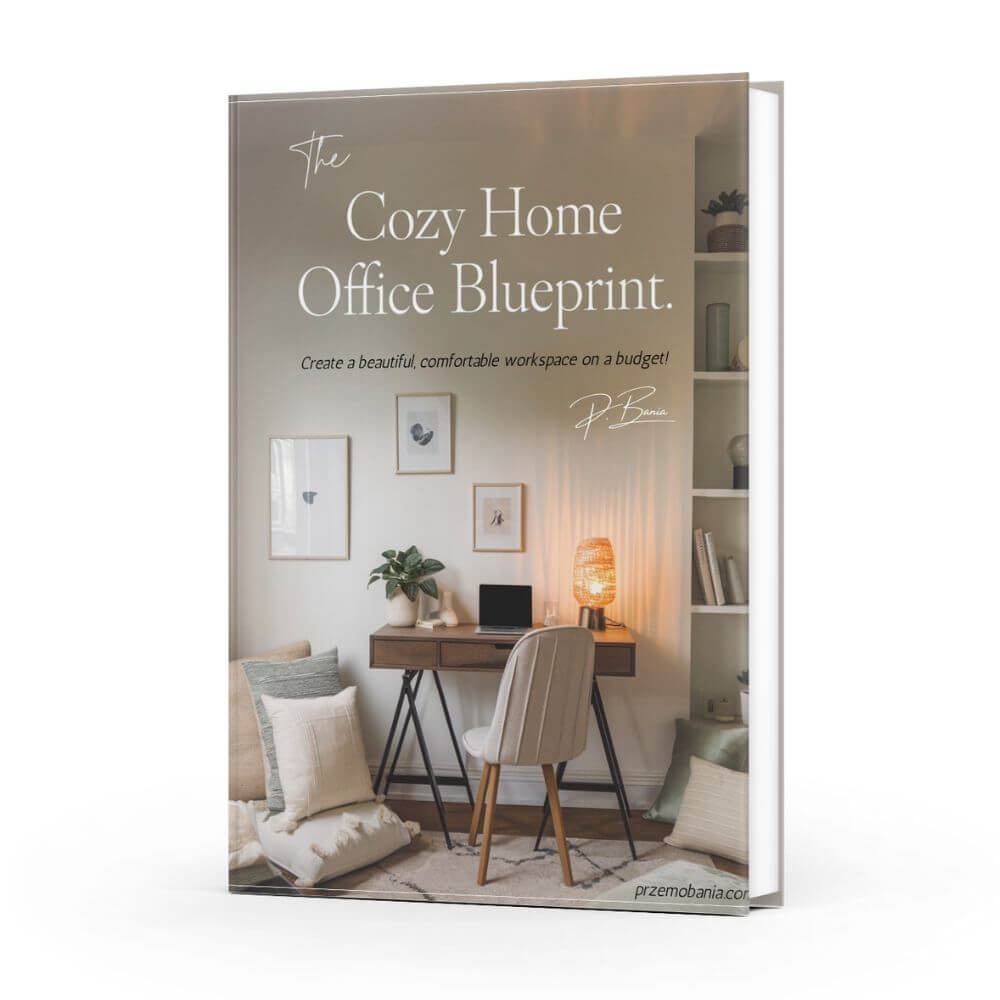
- FREE eBook
- 1. Start With How You Want the Room to Feel
- 2. Use Colour to Create Calm and Direction
- 3. Let Furniture Placement Support Real Life
- 4. Make Lighting Feel Soft, Layered, and Human
- 5. Build Warmth Through Texture Instead of Clutter
- 6. Balance Beauty with Everyday Function
- 7. Clear Clutter Without Losing Soul
- 8. Create a Focal Point That Grounds the Room
- 9. Add Personal Touches That Make the Space Yours
- 10. Make Different Rooms Feel Quietly Connected
- 11. Decorate Beautifully On a Realistic Budget
- 12. Let Your Home Evolve with Your Life
- How Home Decor Shapes the Life You Live?
- Final Word On Home Decor
Why Home Decor Basics Matter More Than People Think?
I did not fall in love with home decor because I wanted a perfect house that looked unattainable. I fell in love with it because I saw how much a thoughtful space can change the way a person feels when life has already asked too much of them.
When my wife was dealing with flare-ups, exhaustion, and the kind of pain that can turn an ordinary day into something heavy, I started paying attention to the rooms around us in a different way. I noticed how light, layout, comfort, and softness could either make the day feel harder or gently support her through it.
That changed me. It made me see a home not just as a place to live, but as a place that can protect your energy, hold your routines together, and give you a sense of steadiness when everything else feels uncertain.
It is also one of the reasons I became so passionate about working from home and building a space that actually serves real life. I did not want our days to be shaped only by stress, noise, rushing, and surviving from one weekend to the next.
I wanted something calmer. I wanted a home that could support healing, creative work, quiet mornings, and the freedom to be present for the person I love.
That is why the basics matter so much to me. Before colours, styling, or trends, there has to be intention behind the way a space feels and functions.
A beautiful room is not always the one with the most expensive pieces. Very often, it is the one that feels balanced, comforting, practical, and deeply lived in.
I think many people are tired of homes that do not help them breathe. They are tired of cluttered corners, awkward layouts, harsh lighting, and rooms that never quite feel right, even after spending money on them.
The truth is, a lot of that comes down to missing foundations. When you understand the simple building blocks of a welcoming space, everything starts making more sense.
That is when decorating stops feeling random. It becomes more personal, more grounded, and much more connected to the life you actually want to live.
For me, this journey is tied to love, work, and freedom all at once. It is tied to creating a gentler daily life for my wife, building a warm place to work, carrying my mother’s love of plants and interiors with me, and making our surroundings feel like they are truly on our side.
That is also why I believe this subject speaks to more than appearance. It speaks to comfort, dignity, rest, routine, and the quiet hope that your surroundings can help you feel more like yourself again.
If you are only beginning, I want you to know you do not need special talent to create that feeling. You just need to understand what truly shapes a room and why the smallest choices often carry the biggest emotional weight.
Once those foundations click, even the simplest changes can start transforming not just how your rooms look, but how your whole day feels inside them.
- choosing a style that feels like you
- understanding color and mood
- creating balance in every room
- using lighting to change the atmosphere
- making small spaces feel bigger
- mixing comfort with function
- decorating without creating clutter
- building warmth through texture
- finding focal points that make sense
- making each room feel connected
- decorating on a realistic budget
- creating a home that supports real life
Grab a FREE eBook!
1. Start With How You Want the Room to Feel
When I think about the first step, I do not start with shopping. I start by asking how I want the room to feel at the end of a hard day, because that answer shapes far better choices than chasing random trends ever could.
For me, this became even more important when I saw how much a calm space could soften difficult moments for my wife. A room can either add to the mental noise or gently lower it, and that difference matters more than people realise.
That is why I always tell people to begin with emotion before objects. Do you want the space to feel restful, warm, bright, grounded, airy, safe, or quietly inspiring?
Once you know that, the rest of the home decor becomes easier to understand. Your colours, textures, furniture, lighting, and small details start pulling in the same direction instead of fighting each other.
This is where so many people go wrong without knowing it. They buy lovely pieces one by one, but because those pieces were chosen without a feeling in mind, the room ends up looking disconnected and never fully settles.
I learned that a beautiful home usually starts with clarity, not money. Even simple room decor choices can feel deeply right when they support the life you are actually living and the kind of peace you have been craving.
So before you move a single chair or save another idea, pause for a moment. Ask yourself what you want this room to give back to you when life feels busy, tiring, or emotionally heavy.
That one honest answer can become the thread that quietly ties the whole space together. And once you have that thread, decorating starts to feel less confusing and much more personal.
Next, I want to show you how colour quietly shapes mood, comfort, and the way a room holds you.
2. Use Colour to Create Calm and Direction
Once you know how you want a room to feel, colour becomes one of the gentlest ways to guide it there. I do not mean you need to follow strict rules or turn your home into something flat and lifeless. I simply mean that colours can either settle your nervous system or keep a room feeling restless without you fully understanding why.
I learned this more deeply when our home had to become a safer place for my wife to work, rest, and recover through unpredictable days. In that kind of season, loud visual chaos can feel surprisingly draining, while softer tones, warmer layers, and a little breathing space can make a room feel kinder to live in. That way of seeing a space changed how I approached everything from walls and curtains to office decor and the smaller details people often dismiss.
For me, home decor starts working better when the colours speak the same emotional language. That does not mean everything has to match. It means the shades should feel like they belong to the same story, whether you lean toward warm neutrals, earthy greens, gentle whites, muted blues, or deeper tones that make a room feel held.
This is why I always think about the mood before painting charts. A living room decor palette might need softness and warmth, while bedroom decor may ask for even more quiet and ease. When the colours are chosen with intention, the whole room begins to feel more settled, and even simple pieces look more thoughtful.
Colour can also help connect the house in a way that feels natural rather than forced. You do not need every room to look the same, but it helps when there is a quiet thread running through them, so moving from one space to another feels comforting instead of jarring.
In the next part, I want to show you why furniture placement matters just as much as style when you want a room to feel easy to live in.
3. Let Furniture Placement Support Real Life
After colour begins to set the mood, the next thing I pay close attention to is where everything sits in the room. I have learned that even beautiful pieces can make a space feel frustrating when they interrupt movement, block light, or force the room to work against the person living in it.
This mattered even more to me once I started thinking about comfort through the lens of my wife’s health. On hard days, a room needs to feel easy, not demanding, and that often comes down to whether you can move through it naturally without squeezing past furniture or feeling boxed in.
I think this is where a lot of people struggle with home decor without realising it. They focus on what looks good in a photo, but forget that a home has to support tired bodies, working routines, quiet moments, and the ordinary rhythm of daily life.
A sofa should not make the room feel closed off. A desk should not be placed where it fights the light all day. A bed should not leave you with awkward gaps that make the whole bedroom decor feel unsettled and harder to enjoy.
I always try to think in terms of flow. Can you walk through the room with ease, reach what you need without effort, and feel that the layout gives you space instead of taking it away?
That does not mean every room has to be large. Some of the most welcoming spaces I have seen were small, but they were arranged with care, which made them feel calmer, lighter, and much more supportive of real life.
When placement is right, a room starts to breathe. The pieces feel connected, the purpose of the space becomes clearer, and the whole home interior design begins to feel more thoughtful without needing anything dramatic.
That is why I believe layout is one of the quiet foundations people should never rush. Before adding more, it helps to make sure what you already have is helping the room feel open, balanced, and genuinely easy to live in.
In the next part, I want to show you how lighting can completely change the emotional atmosphere of a room.
4. Make Lighting Feel Soft, Layered, and Human
Lighting is one of those things people often notice only when it feels wrong. A room can have lovely furniture, calming colours, and beautiful details, yet still feel cold or tiring because the light is too harsh, too flat, or simply not placed where life actually happens.
I became much more aware of this when home had to serve more than one purpose for us. It had to be a place to work, rest, recover, and sometimes just quietly get through a difficult day, and light played a bigger part in that than I ever expected.
A single bright ceiling bulb rarely creates the kind of comfort most people are truly craving. What helps more is layering light in a gentler way, using a lamp near a chair, a warmer glow by the bed, softer light near a desk, and enough daylight during the day to make the room feel open and alive.
That is when home decor starts to feel more human to me. It stops looking like a room arranged for display and begins to feel like a space that understands your body, your mood, and the rhythm of your everyday life.
I especially love the way lighting can soften the edges of a room at the end of the day. It can make living room decor feel more intimate, bedroom decor feel more restful, and even office decor feel less like a place of pressure and more like a place where focus comes naturally.
This does not mean you need expensive fixtures or a dramatic makeover. Often, one table lamp, one floor lamp, and a better bulb choice can shift the whole atmosphere more than people imagine.
I also think light affects emotion in quiet ways we do not always name. It can either make a room feel exposed and draining, or safe enough to exhale in, and that difference matters deeply when someone you love is already carrying pain or fatigue.
So when I decorate, I try not to think only about brightness. I think about softness, depth, warmth, and how the room feels at different times of day, because that is what makes a home feel caring rather than simply finished.
In the next part, I want to show you why texture is often the missing piece that makes a room feel warm instead of flat.

5. Build Warmth Through Texture Instead of Clutter
One of the biggest lessons I have learned is that warmth does not usually come from filling a room with more things. It comes from choosing textures that make the space feel softer, gentler, and easier to settle into.
That difference matters so much when a home needs to support real bodies and tired minds. In my own life, I became far more aware of this when I was trying to make our rooms feel kinder for my wife, using comfort, calm, and thoughtful choices rather than visual noise.
A room can look tidy and still feel cold. But when you add a woven throw, curtains with some softness, natural wood, a rug with warmth underfoot, or fabrics that catch the light in a gentle way, the whole mood begins to shift.
That is where home decor starts to feel deeply personal to me. It becomes less about showing taste and more about creating a home that holds you a little better at the end of a long day.
I think many people accidentally replace comfort with clutter because they are trying so hard to make the room feel finished. Yet too many small objects can make living room decor, bedroom decor, or even bathroom decor feel busy instead of calm.
Texture works differently. It adds depth without shouting, interest without mess, and that quiet kind of beauty that makes a room feel lived in rather than staged.
I also love that texture can help a home feel richer without demanding a huge budget. A simple cushion, a linen shade, a wooden tray, or a soft runner can change the emotional temperature of a room more than any other decorative object ever could.
To me, this is one of the most underrated parts of interior decor. When a room feels flat, people often think they need more colour or more furniture, when often what it truly needs is softness, contrast, and something that makes the space feel human.
That is why I always try to build warmth in a way that feels quiet and supportive. Not crowded, not forced, just layered enough that the room begins to feel like a place you want to stay in.
In the next part, I want to show you why function should always work hand in hand with beauty if you want a home to feel truly right.
6. Balance Beauty with Everyday Function
I think a room starts to feel truly right when it does not ask you to choose between beauty and usefulness. The most comforting spaces I have ever known were not the ones that looked impressive from a distance, but the ones that quietly made daily life easier.
That truth became deeply personal for me when home needed to do more than look nice. I was trying to create a place where my wife could work with less strain, rest with less tension, and move through the day with a little more ease, so I began paying closer attention to chairs, light, surfaces, and the small practical details most people overlook.
That is one reason home decor means something much deeper to me than styling for the sake of appearance. A beautiful room should support your routines, respect your energy, and make ordinary moments feel less heavy rather than giving you more to manage.
I always think a home works best when the useful parts are handled with care instead of hidden in embarrassment. Storage can be lovely, a desk can feel warm instead of clinical, and even simple house decor choices can help a space feel calmer while still doing the practical work it needs to do.
This is especially important in rooms that carry a lot of daily pressure. Kitchen decor, office decor, and even bathroom decor feel more peaceful when the layout makes sense, the essentials are easy to reach, and nothing feels harder than it needs to be.
I also believe function has an emotional side that people rarely talk about. When a room flows well and supports your real habits, it removes tiny points of friction that otherwise keep wearing you down day after day.
That is why I never see practical choices as boring. Very often, they are the choices that make a room feel most thoughtful, most humane, and most able to hold real life with grace.
When beauty and function finally meet, a space begins to feel less like something you are trying to maintain and more like something that is gently taking care of you.
In the next part, I want to show you how to avoid clutter without making your home feel empty or lifeless.
7. Clear Clutter Without Losing Soul
I do not believe a beautiful room has to be full to feel complete. In fact, some of the most peaceful spaces I have known felt that way because they gave the eye, the body, and the mind a little room to rest.
This became important to me when I started noticing how a visual mess can quietly add pressure to an already hard day. When someone is tired, overwhelmed, or dealing with pain, too much around them can make a room feel louder than it looks.
That is why I try to treat home decor with intention instead of accumulation. I would rather have fewer things that mean something, serve a purpose, or bring warmth than a room crowded with pieces that do not truly belong.
To me, clutter is not only about untidiness. It is also about anything that interrupts calm, blocks function, or makes a space feel heavier than it needs to feel.
I think this is especially true in bedroom decor, office decor, and living room decor, where the room is meant to support you for long stretches of the day. When surfaces are overloaded, and corners are filled without thought, the room can start asking for energy instead of giving some back.
That does not mean stripping everything away until the space feels cold. A home still needs character, softness, memory, and those quiet details that make it feel like yours.
What helps is choosing with more honesty. Keep what adds comfort, usefulness, or beauty, and let go of what only takes up space because you felt you should keep decorating.
I have found that when a room is edited gently, the pieces that remain begin to matter more. The light feels clearer, the textures feel richer, and the whole space starts breathing in a way you can actually feel.
That is when a room stops feeling busy and starts feeling supportive. And for me, that kind of relief is worth far more than simply filling every corner.
In the next part, I want to show you how a clear focal point can make a room feel calm, grounded, and instantly more pulled together.
8. Create a Focal Point That Grounds the Room
One thing I have noticed over and over is that a room feels calmer when your eyes know where to rest. Without that quiet anchor, even lovely pieces can start competing with each other, and the whole space can feel slightly unsettled without you fully knowing why.
A focal point does not have to be dramatic. It can be a fireplace, a bed, a desk, a beautiful piece of art, a large mirror, a shelving area with intention behind it, or even a window that deserves to be framed rather than ignored.
This is where home decor starts feeling more thoughtful than random. Instead of asking every object to be special, you allow one area to lead the room, and everything else begins to support it more naturally.
I find this especially helpful when a space feels busy or disconnected. A strong focal point gives the room direction, which makes furniture placement easier, styling simpler, and the overall atmosphere more balanced.
It also helps the room feel more emotionally steady. In living room decor, that might mean arranging seating around the point that draws people in. In bedroom decor, it is often the bed and the wall behind it that quietly set the tone for everything else.
I like that this approach creates beauty without pressure. You do not need more and more decoration when the room already has one clear place that holds attention in a gentle, grounded way.
To me, that is often the difference between a room that feels confusing and one that feels settled. When there is a natural centre, the rest of the space begins to breathe around it.
And once that happens, decorating becomes less about filling empty spots and more about protecting the feeling that already works. That is when a room starts to look more confident without trying too hard.
In the next part, I want to show you how small details and personal touches are what turn a styled room into a home that truly means something.
9. Add Personal Touches That Make the Space Yours
Once a room has balance, light, and a clear sense of direction, I think what truly brings it to life is the feeling that someone real lives there. Not in a messy or forced way, but in the quiet details that make the space feel personal rather than borrowed from somebody else’s idea of perfection.
This matters to me because the homes I remember most are never the ones that looked the most expensive. They are the ones that carried warmth, memory, character, and the sense that the people inside them were building a life, not just arranging objects.
That is why I believe home decor should never erase the person living in it. A home feels richer when it reflects your story through books you love, plants you care for, framed moments, meaningful textures, and pieces that remind you where you come from or what matters most.
For me, that often goes back to the influence of my mum, who sparked my love for houseplants and the softer side of interiors, and to the life my wife and I have tried to build around comfort, freedom, and a gentler rhythm. Those personal threads are part of what makes a room feel grounded instead of generic.
I also think these touches help a space feel emotionally safe. In living room decor or bedroom decor, the smallest meaningful detail can make the room feel more intimate and more connected to your real life.
What matters is not adding personality for the sake of styling. It is choosing details that feel true, so the room begins to hold your life with honesty rather than just looking finished.
This is especially helpful if you have ever felt intimidated by interior ideas online. You do not have to copy somebody else’s taste to create beauty. Often, the most memorable spaces are the ones that feel deeply lived in and quietly individual.
When personal details are chosen with care, the room starts to feel less like a project and more like a place that knows you. And that, to me, is where a home starts becoming truly comforting.
In the next part, I want to show you how to make different rooms feel connected, so the whole home flows with more ease and intention.
10. Make Different Rooms Feel Quietly Connected
One thing I have grown to love is when a home feels like it is telling one calm, steady story from room to room. Not because every space looks identical, but because there is a sense of rhythm that makes the whole place feel settled and thoughtful.
I think that feeling matters more than people realise. When colours, textures, tones, and shapes relate to one another gently, the house starts to feel easier on the mind, and moving from bedroom decor to bathroom decor or from kitchen decor to office decor feels natural instead of jarring.
To me, this is where home decor becomes less about separate rooms and more about the life happening between them. A home should not feel like a collection of disconnected decisions, but like one caring environment that supports you in different ways depending on where you are.
That does not mean every room needs the same palette or the same styling. It simply helps when there are quiet threads repeated across the house, like warm wood, soft fabrics, natural greenery, similar finishes, or a shared feeling of lightness and comfort.
I learned that this kind of connection makes a home feel more trustworthy somehow. When one room flows into the next with ease, the whole space begins to feel calmer, and even small rooms can carry more presence without needing dramatic changes.
This is especially lovely in homes where life can feel unpredictable. A connected space can create a sense of steadiness, and that steadiness matters when what you need most is comfort, clarity, and an environment that does not fight your nervous system.
I also think this is what gives house decor more emotional depth. It is not just about making one corner look nice for a moment, but about shaping a home that keeps supporting you as you move through the day.
When rooms speak gently to each other, the result feels stronger than any single styling choice on its own. It feels lived in, intentional, and quietly comforting in a way people can feel even if they cannot explain it.
In the next part, I want to show you why decorating on a budget can still create a home that feels deeply beautiful and full of care.
11. Decorate Beautifully On a Realistic Budget
I know one of the biggest fears people carry is that creating a beautiful space will cost more than they can comfortably give. I understand that deeply, because when you are trying to build a better life, support someone you love, and make practical decisions for the future, money has to be treated with care.
That is why I have never believed that home decor should be reserved for people with endless budgets. Some of the most comforting changes come from patience, intention, and knowing what matters most, not from buying everything at once.
I always think it is wiser to build a room slowly than to rush into purchases that look good for a week and feel wrong for years. A lamp with the right warmth, curtains that soften the room, a chair that truly supports your body, or one meaningful piece of room decor can do more than a pile of trend-driven extras.
This way of thinking has helped me see decorating as something more hopeful and less pressured. You do not need to prove anything with your home. You are simply shaping it step by step into a place that feels kinder, calmer, and more supportive of real life.
I also think budget decorating becomes easier when you stop asking what will fill the room and start asking what will improve it. That question protects you from waste and helps you choose pieces that carry real purpose, whether you are working on living room decor, bedroom decor, or simple decorating ideas for the home.
There is also something deeply satisfying about building a home with care over time. It gives you space to notice what actually works, what feels true to you, and what adds genuine comfort rather than temporary excitement.
For me, this slower approach feels more personal anyway. It leaves room for memory, for thought, and for the kind of choices that stay meaningful because they were made with love instead of urgency.
So if you are worried that your budget is too small, I want to gently say that beauty is not only built with money. Very often, it is built with patience, honesty, restraint, and the courage to create your home in a way that matches your real life.
In the next part, I want to bring everything together and show you how the basics of a home can quietly shape the life you live inside it.
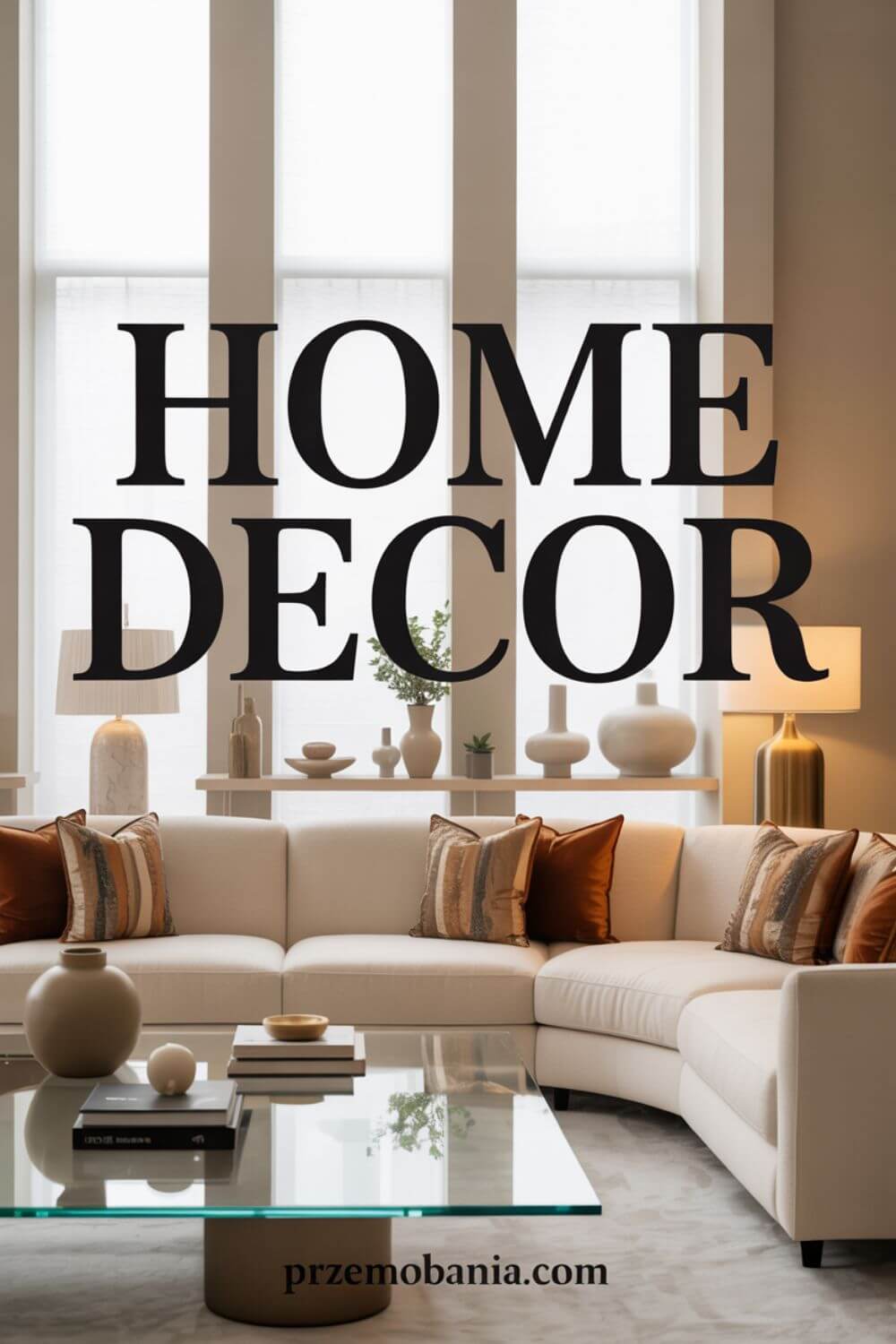
12. Let Your Home Evolve with Your Life
One thing I have learned over time is that a home should never feel like a finished performance; you have to keep up forever. Real life changes, people change, needs change, energy changes, and the rooms around you should be allowed to change with you.
That matters to me deeply because the way we live at home has never stayed fixed. Illness, work, healing, travel, hard seasons, hopeful seasons, and the simple lessons that come from living closely with someone you love have all shaped how I see comfort, beauty, and what a room truly needs.
That is why home decor feels healthiest to me when it has some flexibility in it. A home should be able to support you in one chapter when you need focus and productivity, and in another when you need more softness, more ease, and more room to rest.
I think this is where many people become too hard on themselves. They believe they have to get everything right at once, as if choosing the wrong lamp or layout means they have somehow failed at creating a beautiful home.
But a home is not a final exam. It is a living environment that grows with your habits, your memories, your priorities, and the deeper understanding you gain about what makes you feel well inside your own space.
Sometimes that means changing the function of a corner. Sometimes it means moving furniture, softening a palette, bringing in more storage, or letting go of what no longer fits the life you are building now.
To me, that is not an inconsistency. It is care. It is listening honestly to what your home is asking for and allowing your space to serve the person you are becoming instead of the one you were six months or three years ago.
I think there is something very freeing in that. It removes pressure and replaces it with curiosity, which makes decorating feel less like chasing perfection and more like building a relationship with the place that holds your everyday life.
And when a home is allowed to evolve gently, it often becomes more beautiful over time, not less. It starts carrying your real story in a way no rushed makeover ever could.
Next, I want to bring all of these ideas together in a way that feels simple, grounded, and deeply personal.
How Home Decor Shapes the Life You Live?
When I look at everything we have walked through in this article, I keep coming back to one simple truth: home decor is never only about how a room looks. To me, it is about how a space helps you breathe, move, work, rest, and feel held on the days when life is asking a lot from you.
I have seen how mood, colour, light, texture, layout, and meaningful details can slowly change the emotional weight of a home. I have also learned that when each room flows with intention, even small choices can make daily life feel softer, steadier, and far more supportive.
That is why I always encourage people to begin with feeling, then build with care from there. You do not need to rush, fill every corner, or spend beyond your means to create something beautiful and deeply personal.
I think the most powerful homes are the ones that grow with us, honestly. They reflect our routines, our memories, our limitations, our hopes, and the quiet desire to make life better not only for ourselves, but for the people we love most.
For me, that is what makes decorating worth caring about in the first place. It is not about perfection. It is about creating a home that gently gives something good back to you every single day.
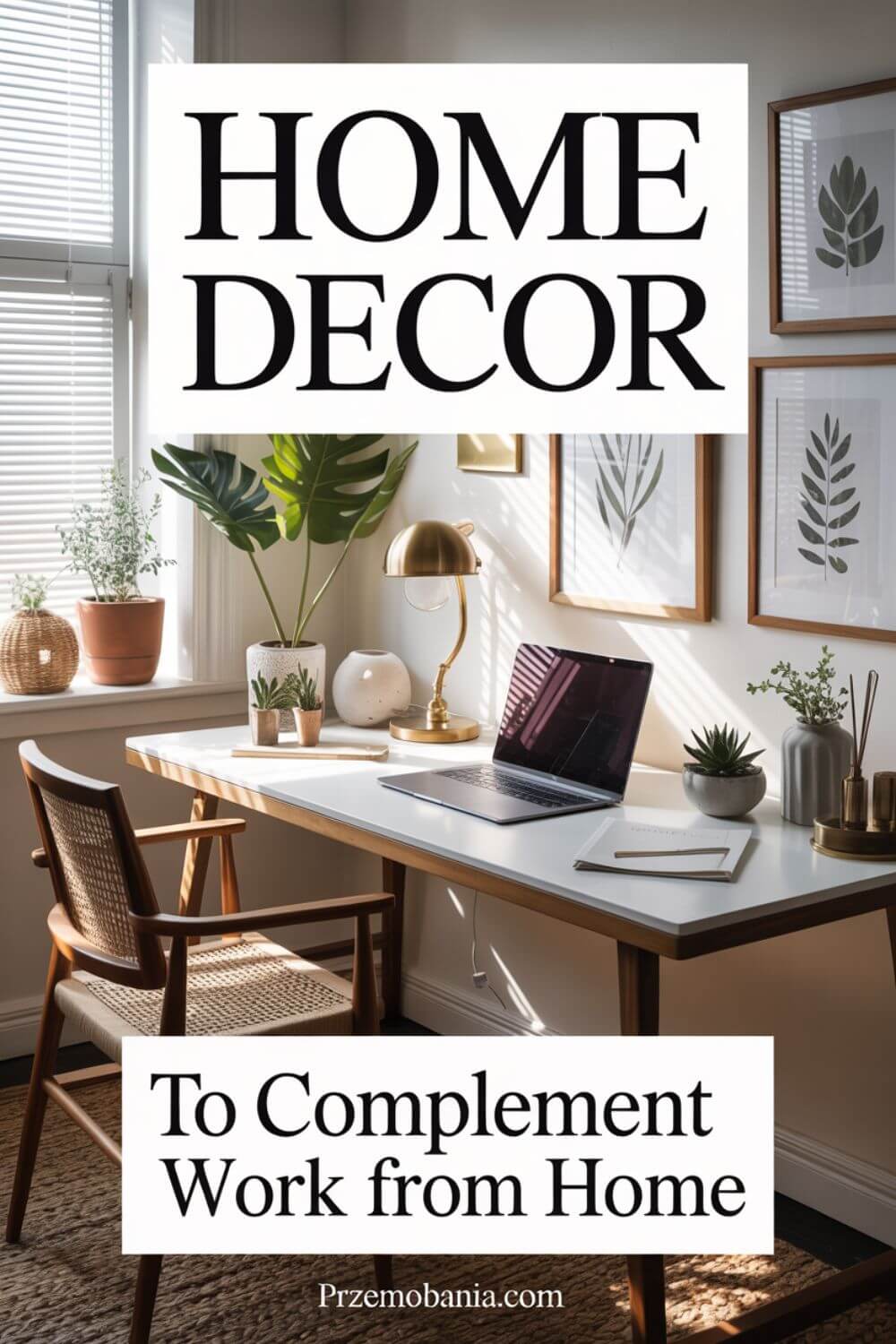
Final Word On Home Decor
When I think about what changes a home, I do not think first about trends, expensive furniture, or rooms designed to impress strangers. I think about the moments inside those walls, the tired mornings, the heavy evenings, the hours of work, the need for comfort, and the desire to feel safe where life unfolds.
That is why this subject means so much to me. My love for interiors grew from beauty, but it was deepened by love, responsibility, and the need to create a gentler daily life for my wife when chronic illness changed what home needed to be.
Over time, I began to understand that a room can either drain you or support you. It can make simple tasks feel harder, or it can soften the edges of the day in ways that are felt.
For me, home decor became part of building a life with more freedom, dignity, and room to breathe. It helped me shape a home office that supported our work, our healing, and our hope of living differently from the exhausting rhythm so many people are told they have to accept.
What stays with me is that the basics matter more than people think. The way a room feels, the colour you choose, the light you live under, the placement of furniture, the warmth of texture, the absence of clutter, the meaning of personal details, and the way each room connects all shape your everyday experience.
None of that requires perfection. In fact, some of the most comforting homes are built honestly and with more care than money.
I think that is encouraging, especially for anyone who feels overwhelmed or afraid they are getting it wrong. A home does not need to look finished to start feeling better.
It only needs to begin reflecting the life you truly want to live and the support you need from it right now. That is where real change starts, and often it begins with one thoughtful decision at a time.
If there is one thing I hope you carry from this article, it is that decorating is not shallow when it is rooted in care. It can be a practical, emotional, and life-giving act when it helps you create rooms that feel calmer, kinder, and more aligned with the way you want to live.
I believe a beautiful home is not the one that follows every rule. It is the one that quietly helps you rest, focus, connect, and keep going through all the seasons life brings.
So take the pressure off yourself. Let your rooms evolve, let your choices be personal, and let your home become a place that supports the person you are now while making space for the person you are still becoming.
That, to me, is the real power of decorating well. It is not about having more. It is about living better, loving better, and creating a space that gives strength back when you need it most.
A beautiful home is not built by chasing perfection. It is built by noticing what helps you feel calmer, lighter, and more supported each day. Start small, trust your instincts, and remember that even one thoughtful change can begin turning an ordinary room into a place that gives something good back to you.
I would truly love to hear your thoughts in the comments, and if you want a little more inspiration from me, please check out the FREE eBook.


Przemo Bania is a blogger and writer who helps people get out of their traditional jobs to start a blogging career. Przemo also runs a health blog advocating for endometriosis and fibromyalgia…